
Does a Refrigerator Need a Voltage Stabilizer? Complete Guide
Does your refrigerator need a voltage stabilizer in India? Learn why fridge stabilizers are essential, how to choose the right one, and prices. Protect your refrigerator from voltage fluctuations.
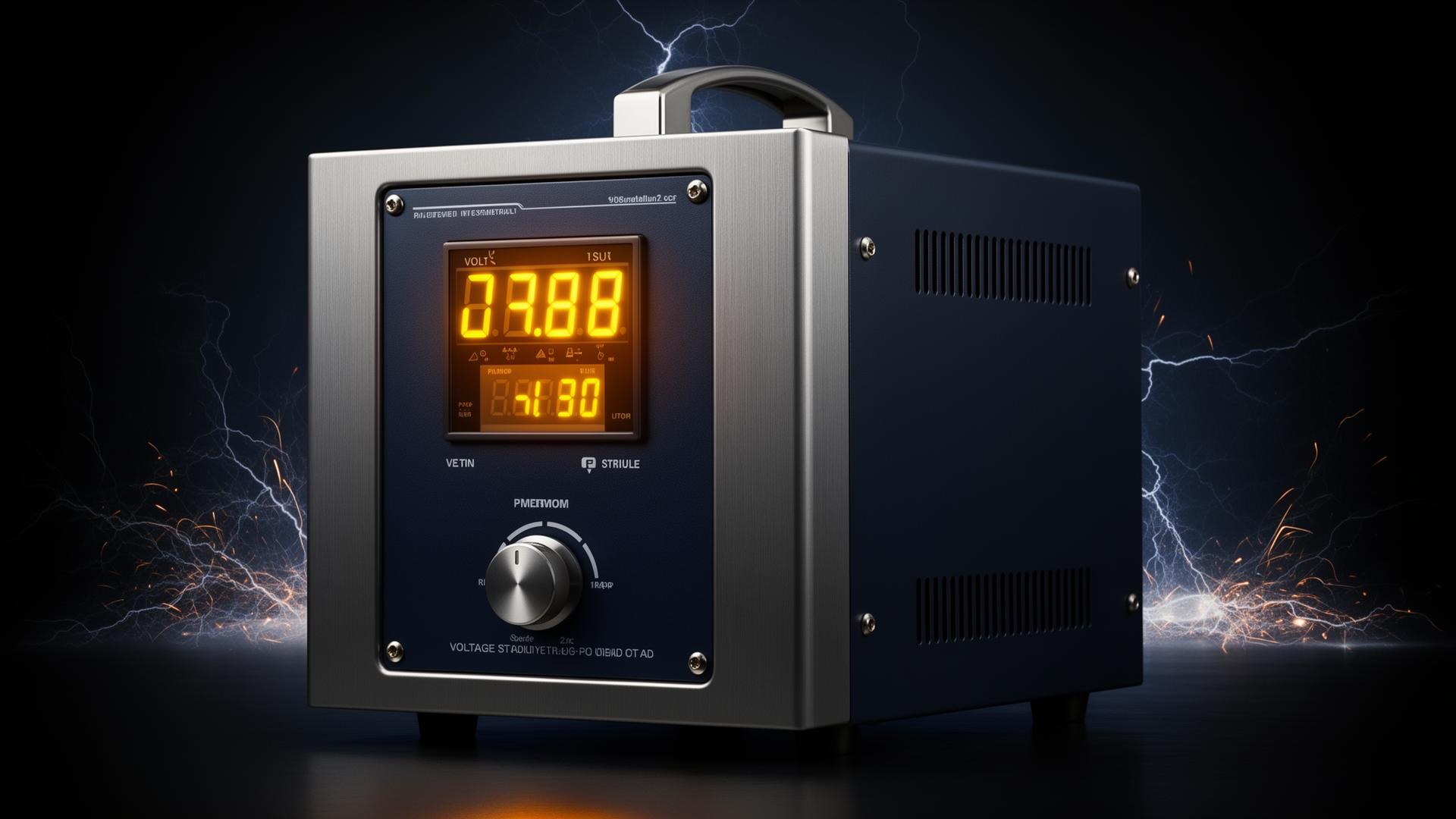
Does a Refrigerator Really Need a Stabilizer in India?
Short answer: Yes, absolutely. A refrigerator is one of the most expensive appliances in your home (₹15,000 to ₹50,000+), and it runs 24×7 — which means it is exposed to voltage fluctuations constantly.
Here is what happens inside your fridge when voltage fluctuates:
When voltage drops (brownout): The compressor motor draws more current to maintain speed. This excess current heats up the motor windings. Over time, the insulation degrades and the motor fails. Compressor replacement costs ₹4,000 to ₹9,000 including labor.
When voltage rises (surge): A sudden voltage spike can damage the electronic control board (PCB), thermostat, or display panel. PCB replacement for a refrigerator costs ₹2,000 to ₹5,000 depending on the model.
The hidden damage: Even minor fluctuations that don't cause immediate failure slowly degrade the compressor, cooling efficiency drops, your electricity bill goes up, and the fridge lifespan shortens by 2-4 years.
Many people think "my fridge has an inbuilt stabilizer, I don't need an external one." This is one of the most expensive myths in Indian homes. Inbuilt stabilizers in refrigerators provide basic protection against small fluctuations but cannot handle the severe voltage variations common in Indian power supply.
What Size Stabilizer Does a Refrigerator Need?
Refrigerators have a unique power characteristic: the starting current (when the compressor kicks in) is 3-5 times higher than the running current. Your stabilizer must handle this surge.
Refrigerator stabilizer size recommendations:
| Refrigerator Type | Running Watts | Recommended KVA | Price Range |
|---|---|---|---|
| Single door (160-220L) | 150-250 W | 1 KVA | ₹1,200 – ₹1,800 |
| Double door (250-350L) | 250-400 W | 2 KVA | ₹1,800 – ₹3,000 |
| Side-by-side / French door (400-600L) | 350-600 W | 2-3 KVA | ₹2,500 – ₹4,000 |
| Mini fridge (under 100L) | 80-120 W | 0.5 KVA | ₹800 – ₹1,200 |
Important rule: Always add a safety margin. A 1 KVA stabilizer is the minimum for a single-door fridge. If you want to connect other devices (like a water purifier or TV) to the same stabilizer, go higher.
Pro tip: The stabilizer for a fridge should have a time delay feature. When the compressor stops (due to power cut or thermostat), it needs 3-5 minutes to equalize refrigerant pressure before restarting. The time delay prevents the compressor from trying to restart against high pressure, which can damage the motor.
Relay vs Servo Stabilizer for Refrigerator
For refrigerators, relay-type stabilizers are the most common and cost-effective choice — but servo stabilizers offer better protection in extreme conditions.
Relay-type stabilizers for fridge: • Pros: Affordable (₹800-₹3,000), compact, low maintenance • Cons: Step adjustment (±5-10% accuracy), relay contacts wear over years • Best for: Most Indian homes with moderate voltage fluctuation • Recommendation: A good 1-2 KVA relay stabilizer from a reliable manufacturer
Servo stabilizers for fridge: • Pros: Smooth continuous correction (±1% accuracy), handles extreme voltage ranges • Cons: More expensive (₹5,000-₹15,000), larger, occasional maintenance • Best for: Areas with severe voltage fluctuation or high-end imported refrigerators • Recommendation: Only if voltage in your area drops below 170V regularly
Verdict for 95% of Indian homes: A good quality 1-2 KVA relay stabilizer with copper winding and time delay is sufficient for refrigerator protection. Spend the extra money on a better capacity (2 KVA instead of 1 KVA) rather than upgrading to servo.
Refrigerator Stabilizer Buying Tips
1. Buy slightly higher capacity than needed A 2 KVA stabilizer for a single-door fridge costs only ₹600-800 more than a 1 KVA unit. This gives you room to add a water purifier or TV later, and handles voltage drops better.
2. Check for time delay feature This is non-negotiable for refrigerators. The time delay (3-5 minutes) protects your compressor from short-cycling during power cuts. Without it, every power restoration puts stress on the compressor.
3. Choose copper winding over aluminum For a 24×7 running appliance like a refrigerator, copper winding is worth the extra ₹200-500. Copper runs cooler, wastes less electricity, and lasts longer.
4. Digital display is useful A stabilizer with digital display lets you see the input voltage. If your area has severe voltage problems, you can monitor them and take corrective action.
5. Mount it in a ventilated area The stabilizer should be placed in a dry, ventilated area — not behind the refrigerator where heat from the condenser coils can affect it. Wall mounting near the fridge is ideal.
6. Buy direct from manufacturer A direct manufacturer like Tapi Stabilizer gives you factory pricing, genuine copper components, and direct warranty support.
Quick Reference Table
| Refrigerator Type | Recommended KVA | Stabilizer Type | Price Range |
|---|---|---|---|
| Single door (160-220L) | 1-2 KVA | Relay | ₹1,200 – ₹2,500 |
| Double door (250-350L) | 2 KVA | Relay | ₹1,800 – ₹3,000 |
| Side-by-side / French door (400-600L) | 3 KVA | Relay or Servo | ₹2,500 – ₹4,500 |
| Mini fridge (under 100L) | 0.5 KVA | Relay | ₹800 – ₹1,200 |
Frequently Asked Questions
Is 1 KVA sufficient for a single door refrigerator?+
Do double door refrigerators need a bigger stabilizer?+
My refrigerator has an inbuilt stabilizer. Do I still need an external one?+
Can I connect my refrigerator and TV to the same stabilizer?+
What happens if I don't use a stabilizer for my refrigerator in India?+
Related Articles
Do You Need a Voltage Stabilizer? Cost, Risks & Guide
Why your home needs a voltage stabilizer. Learn costs, risks of not using one, price ranges, and how to choose the right stabilizer in India.
AC GuideAC Stabilizer Buying Guide: Price, Types & Which to Pick
Compare relay vs servo AC stabilizers, check prices for 1 and 1.5 ton ACs, and learn how to choose the best stabilizer in India.
IndustrialIndustrial Voltage Stabilizer: Price, Benefits & Guide
Guide to industrial voltage stabilizers for factories in India. Compare prices, benefits, and how voltage stability protects your business.
Need Help Choosing?
Made in IndiaTalk to the Manufacturer Directly
Get expert advice, honest pricing, and the right stabilizer for your needs — straight from the manufacturer.