
Best Voltage Stabilizer for Home in India 2026 — Complete Guide
Find the best voltage stabilizer for your home in India. Compare top stabilizers for refrigerators, TVs, ACs, and whole-home protection. Price, capacity, and buying tips.
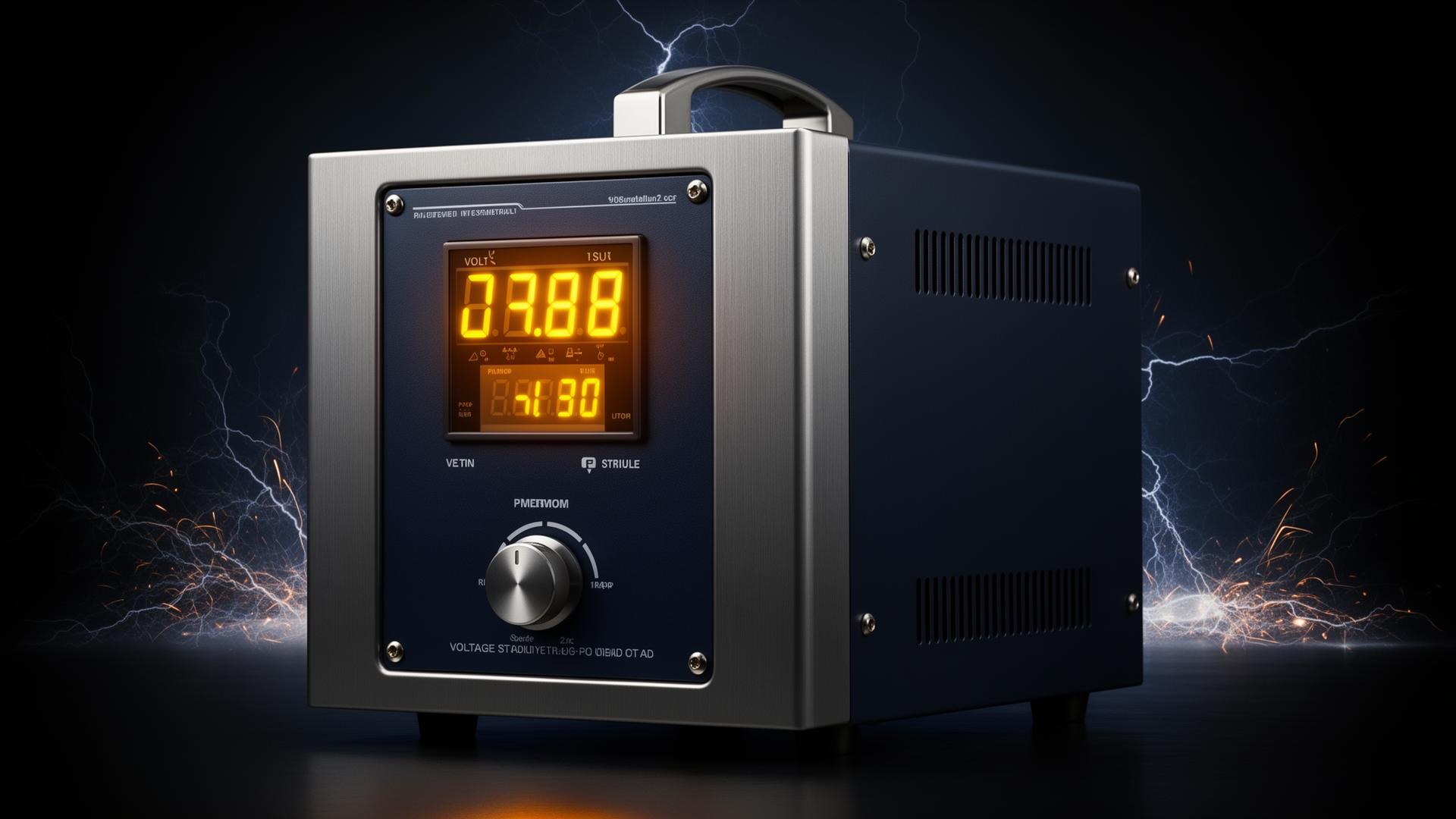
Does Your Home Really Need a Voltage Stabilizer?
If you live in India, the answer is almost certainly yes. Indian household voltage fluctuates between 180V and 270V on a typical day, while your appliances are designed for a steady 230V.
Here is what happens without protection: • Refrigerator compressor fails prematurely — replacement costs ₹4,000-9,000 • LED TV power supply gets damaged — repair costs ₹800-2,500 • Washing machine PCB gets fried — replacement ₹1,500-3,500 • AC outdoor unit PCB fails — repair ₹2,500-5,000 • Water motor windings burn out — rewinding ₹800-2,000
A good home stabilizer costs between ₹1,200 and ₹6,000. Even a single repair can cost more than the stabilizer. The math is simple: a stabilizer pays for itself the first time it saves an appliance.
But not all "home stabilizers" are the same. Let us look at what makes a stabilizer right for your specific home.
Types of Home Stabilizers in India
1. Appliance-specific stabilizers These are small, low-capacity units designed for a single appliance. Available from 0.5 KVA to 2 KVA. Best for protecting one expensive device like a refrigerator or TV. Price range: ₹800 to ₹2,000.
Pros: Low cost, simple to install, targeted protection. Cons: Need multiple units for multiple appliances.
2. Room/point-of-use stabilizers These are medium-capacity units (2-5 KVA) that protect all appliances in one room or circuit. Commonly used for a room with an AC + TV + lights. Price range: ₹2,000 to ₹6,000.
Pros: Protects multiple devices on one circuit, good for AC rooms. Cons: Does not protect other rooms in the house.
3. Mainline (whole-house) stabilizers These are high-capacity units (5-15 KVA) installed at the main power connection. They protect every appliance in your home — ACs, refrigerator, washing machine, lights, fans, everything. Price range: ₹6,000 to ₹20,000.
Pros: Single-point protection for the entire home. Cons: Higher upfront cost, requires professional installation.
Which one should you choose? If you have just one or two expensive appliances, appliance-specific stabilizers are enough. If you have multiple ACs and a fully loaded home, a mainline stabilizer is the smarter investment.
Top 5 Home Stabilizer Recommendations for 2026
Based on Indian power conditions, common home setups, and real customer feedback, here are our top recommendations:
1. Best for 1 BHK apartment (budget pick) • Recommendation: 2 KVA relay stabilizer • Protects: 1 AC + refrigerator + TV + lights • Price: ₹1,800 – ₹3,000 • Why: Covers all essential appliances in a small home without overspending
2. Best for 2 BHK apartment (most popular) • Recommendation: 5 KVA relay stabilizer • Protects: 1-2 ACs + refrigerator + washing machine + TV + computer • Price: ₹4,000 – ₹6,000 • Why: The sweet spot for most Indian homes — enough capacity for all essential appliances
3. Best for 3 BHK house or villa • Recommendation: 10 KVA servo stabilizer • Protects: 2-3 ACs + full home appliances • Price: ₹12,000 – ₹20,000 • Why: Servo technology handles wider voltage ranges (common in outer areas and independent houses)
4. Best for areas with extreme voltage fluctuation • Recommendation: Wide-range servo stabilizer (input 140V-300V) • Protects: Entire home even when voltage drops severely • Price: ₹15,000 – ₹30,000 • Why: Essential for areas where voltage drops below 170V regularly
5. Best budget single-appliance protection • Recommendation: 1 KVA relay stabilizer • Protects: One refrigerator or one TV + setup box • Price: ₹1,200 – ₹2,000 • Why: Cheap insurance for your most expensive home appliance
All recommendations assume copper-wound units from a reliable manufacturer like Tapi Stabilizer.
How to Choose the Right Capacity for Your Home
Follow this simple method to calculate the right stabilizer capacity for your home:
Step 1: List all appliances you want to protect
| Appliance | Typical Wattage |
|---|---|
| LED TV (32-55 inch) | 50-150 W |
| Refrigerator (single door) | 150-250 W |
| Refrigerator (double door) | 200-400 W |
| Split AC (1 ton) | 1,000-1,500 W |
| Split AC (1.5 ton) | 1,500-2,200 W |
| Washing Machine | 300-800 W |
| Desktop Computer | 200-500 W |
| Water Motor (1 HP) | 750-1,000 W |
| Ceiling Fan | 50-75 W |
| LED Lights (per 10) | 100-200 W |
Step 2: Add total wattage Add the wattage of all appliances you want to protect. For ACs, use "Maximum Input Wattage" from the nameplate.
Step 3: Convert to KVA Total Watts ÷ 0.8 (power factor) = KVA
Step 4: Add safety margin Multiply by 1.25 (25% margin) for motor starting surges and future additions.
Example: A 2 BHK with 2 ACs (1.5 ton + 1 ton), refrigerator, washing machine, 3 TVs, and lights: • Total load: ~4,500 watts • 4500 ÷ 0.8 = 5.6 KVA • 5.6 × 1.25 = 7 KVA → round up to 8 KVA or 10 KVA
Home Stabilizer Buying Checklist
Before you buy, check these features:
☐ Copper winding — Aluminum is cheaper but generates more heat and has shorter lifespan. Always choose copper if your budget allows.
☐ Wide input voltage range — Look for at least 170V-270V range. If your area has extreme fluctuation, choose 140V-300V.
☐ Overload protection — Automatically cuts power if you connect too many appliances.
☐ High/low voltage cut-off — Disconnects load when voltage is dangerously high or low.
☐ Time delay — Essential for AC compressor protection. Prevents restart within 3-5 minutes of power restoration.
☐ Digital display — Shows input and output voltage. Helps you monitor power quality at home.
☐ Bypass switch — Allows you to run appliances directly from mains during stabilizer maintenance.
☐ Manufacturer warranty — Minimum 2 years. Direct manufacturer support is better than dealer support.
Purchase from a direct manufacturer like Tapi Stabilizer for better pricing, genuine warranty, and the ability to customize the stabilizer for your specific voltage conditions.
Quick Reference Table
| Home Type | Recommended Capacity | Recommended Type | Budget Range |
|---|---|---|---|
| 1 BHK (1 AC + appliances) | 3-5 KVA | Relay | ₹2,500 – ₹5,000 |
| 2 BHK (1-2 ACs + full load) | 5-8 KVA | Relay | ₹4,000 – ₹8,000 |
| 3 BHK / Villa (2-3 ACs) | 10-15 KVA | Servo | ₹12,000 – ₹25,000 |
| Independent house (extreme fluctuation) | 10-15 KVA | Wide-range Servo | ₹18,000 – ₹35,000 |
| Small shop / office | 3-8 KVA | Relay or Servo | ₹3,000 – ₹12,000 |
Frequently Asked Questions
Which brand voltage stabilizer is best for home in India?+
Do I need a stabilizer if I have an inverter at home?+
Can one stabilizer protect my entire home?+
What is the maintenance required for a home stabilizer?+
How do I know if my home needs a voltage stabilizer?+
Related Articles
Do You Need a Voltage Stabilizer? Cost, Risks & Guide
Why your home needs a voltage stabilizer. Learn costs, risks of not using one, price ranges, and how to choose the right stabilizer in India.
AC GuideAC Stabilizer Buying Guide: Price, Types & Which to Pick
Compare relay vs servo AC stabilizers, check prices for 1 and 1.5 ton ACs, and learn how to choose the best stabilizer in India.
IndustrialIndustrial Voltage Stabilizer: Price, Benefits & Guide
Guide to industrial voltage stabilizers for factories in India. Compare prices, benefits, and how voltage stability protects your business.
Need Help Choosing?
Made in IndiaTalk to the Manufacturer Directly
Get expert advice, honest pricing, and the right stabilizer for your needs — straight from the manufacturer.